Award winners / 2020 / Student category
FOCUS EX
browser extension
FOCUS EX böngészőbővítmény
- Alkotók|Designers
- VATÁNY Szabolcs ↗
- Egyetem|University
- Moholy-Nagy Művészeti Egyetem
- Fotó|Photography
- VATÁNY Szabolcs
Description
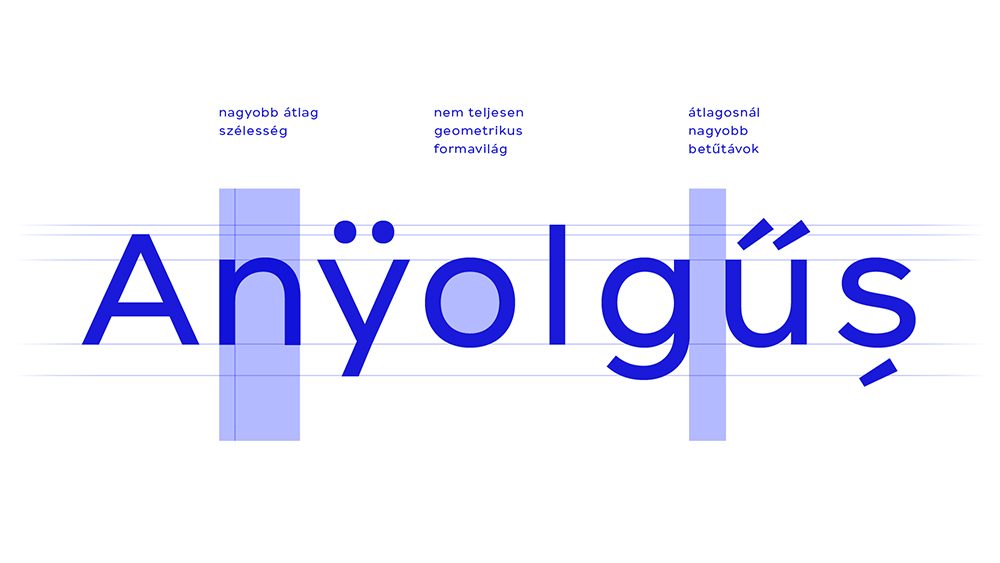
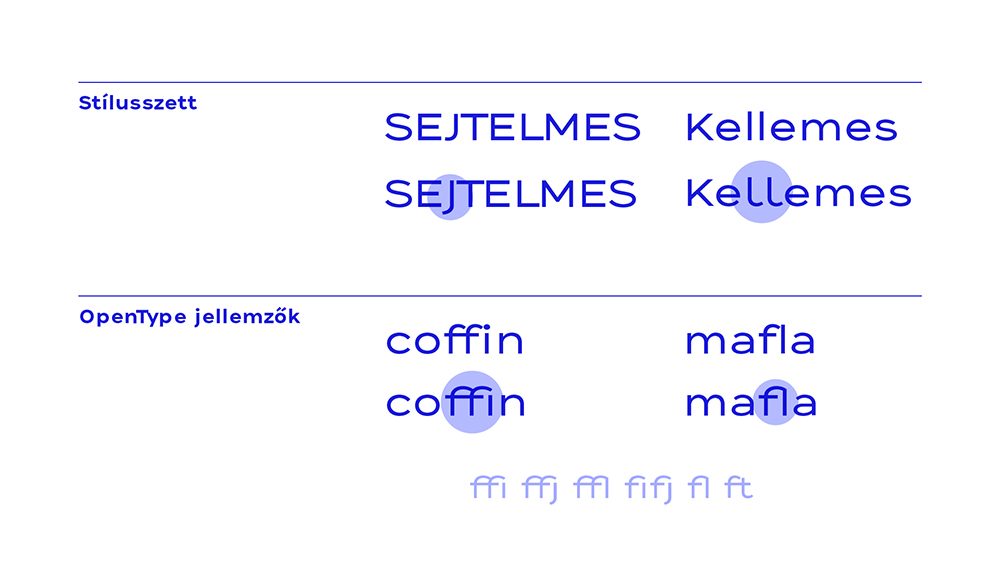
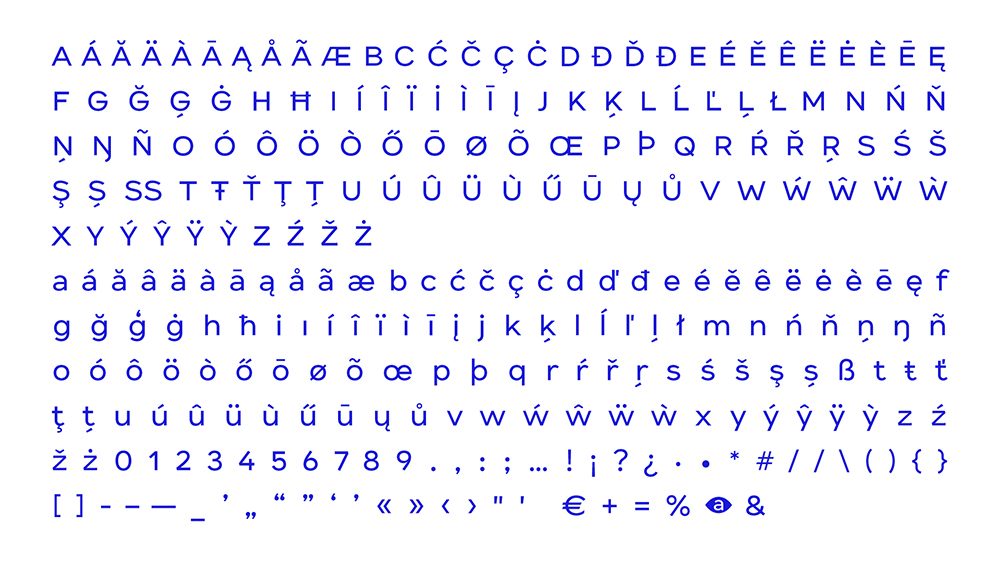
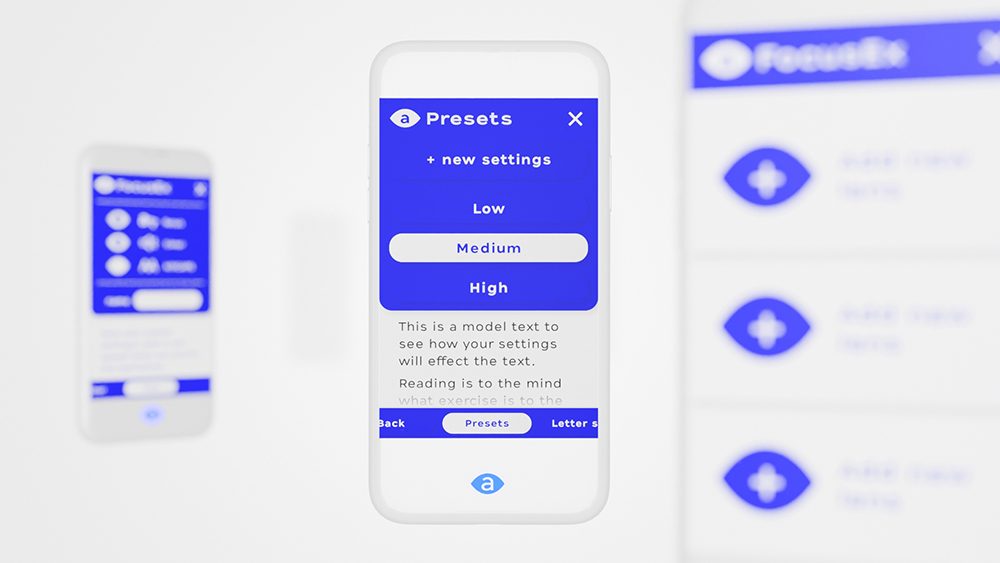
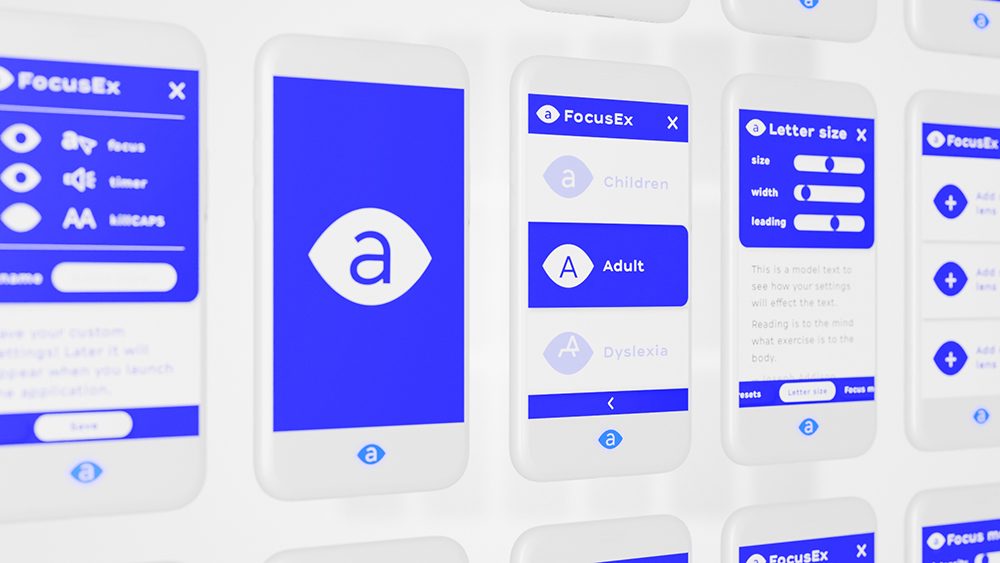
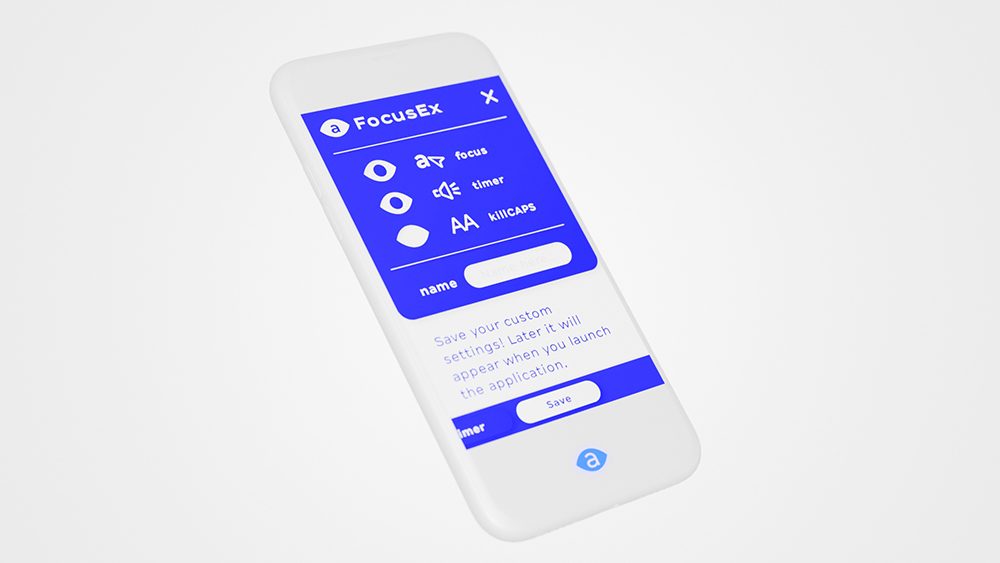
The tool that helps users to read digital texts was primarily designed based on the needs of people with ADHD. Attention Deficit Hyperactivity Disorder is the collective term for a group of neurological symptoms causing much difficulty in everyday functioning. One of the most characteristic symptoms of ADHD is the difficulty to maintain focus, especially during reading. This extension helps filter out distracting factors, divides the textual content and replaces the font settings of the target text with personalised ones, thus enhancing concentration. In this way, instead of fast input, the reader is fed the text gradually, which facilitates a deeper understanding of the content. The font helps the reader thanks to its form, while also providing a new kind of reading experience through its interactivity at the touch of a button. The variable technology allows the customisation of the font size, width, thickness and even focus intensity. In addition, words in the selected text section can be enlarged with a magnifier, thus further enhancing the quality of remembering content.
Statement of the jury
The development of this programme aimed at supporting the reading of digital texts was preceded by a long period of in-depth research conducted by the designer. The system primarily providing help for people with ADHD was extremely complex to implement and the different functions could only be developed after extensive research. The complexity of the project is confirmed by the customisable font type, which not only assists users thanks to its formal characteristics but also because of its interactive function that can be activated. The fresh graphic interfaces, icons and the presentation homepage designed for the project’s main function guide users and help them understand the digital texts through intuitive visual tools.
The greatest strength of this project, which was designed based on an extremely diverse system of criteria, is that it uses generative typography, which had not been exploited in practice before. It is convincing and commendable that a technological innovation was used in this project in a way that it can be naturally integrated into our visual culture, thus helping users struggling with difficulties.