Award winners / 2023 / Visual Communication category
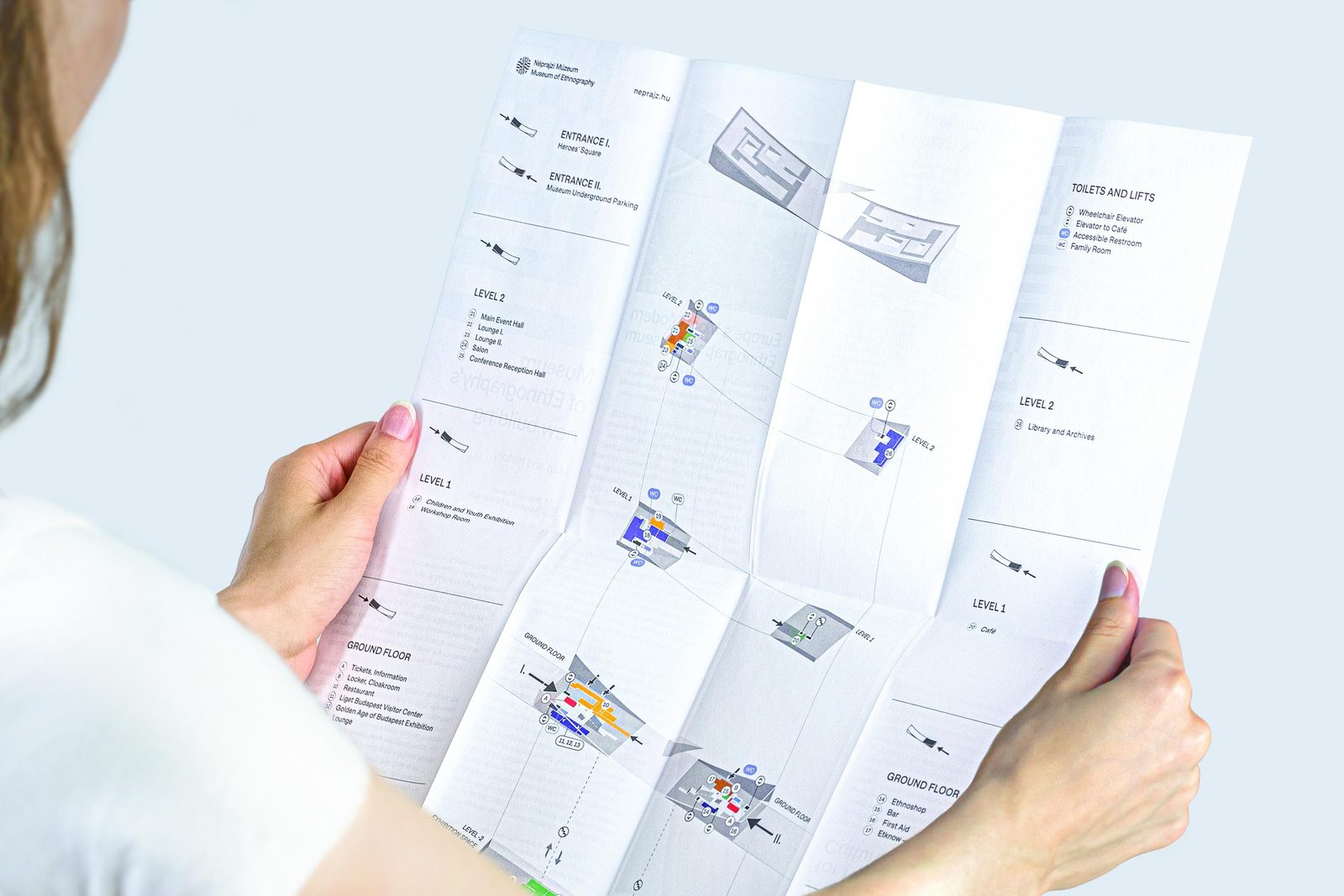
MUSEUM OF ETHNOGRAPHY VISUAL IDENTITY
visual identity
NÉPRAJZI MÚZEUM ARCULATA
- Alkotók|Designers
- KÁTAY Hunor, NÉMETH Sebestyén, KOVÁCS Szilárd, DÉRI Enikő, DEMECZKY Nóra
- Megrendelő|Client
- Néprajzi Múzeum
- Fotó|Photography
- Explicit Design Studio, deFORM Studio
Description
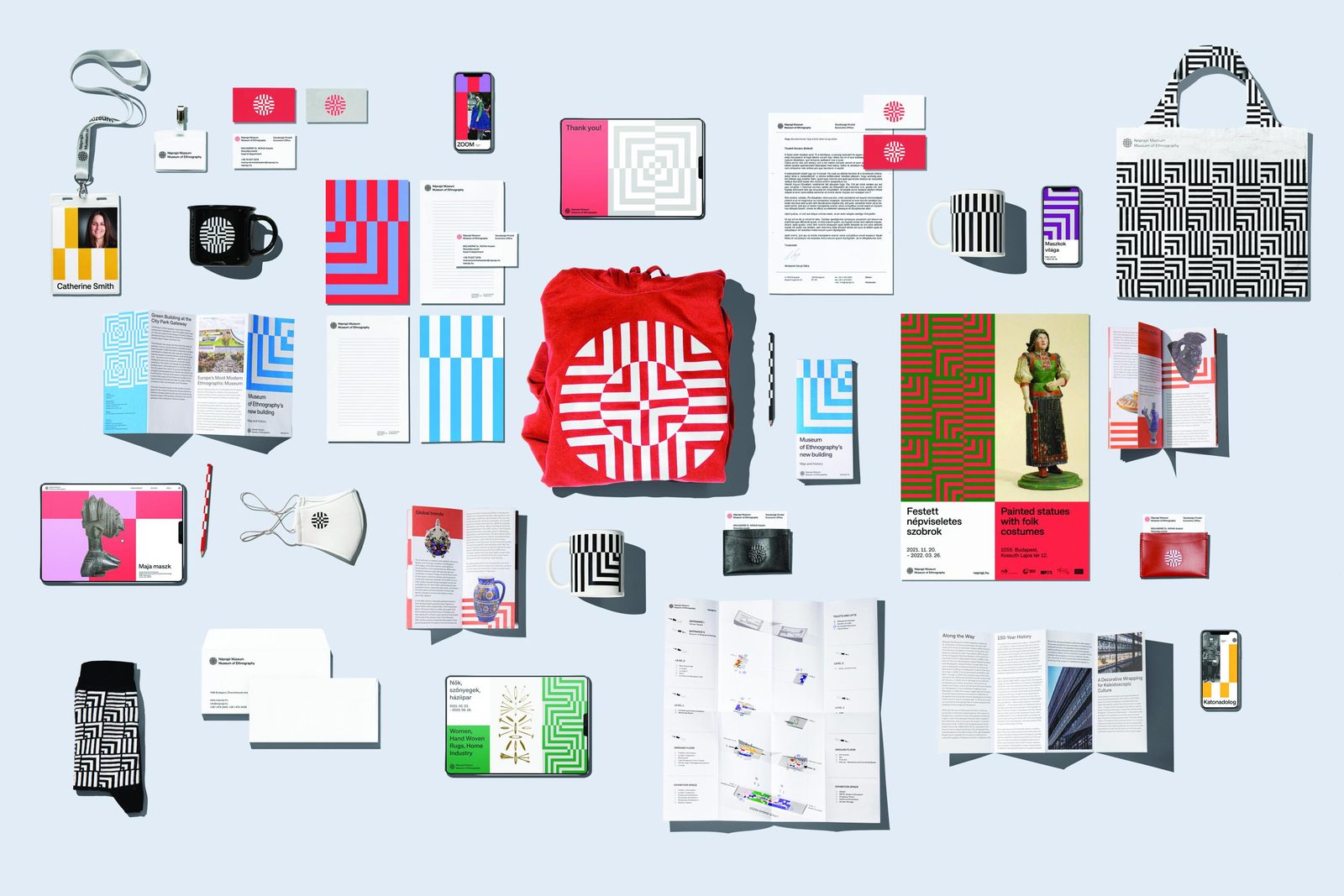
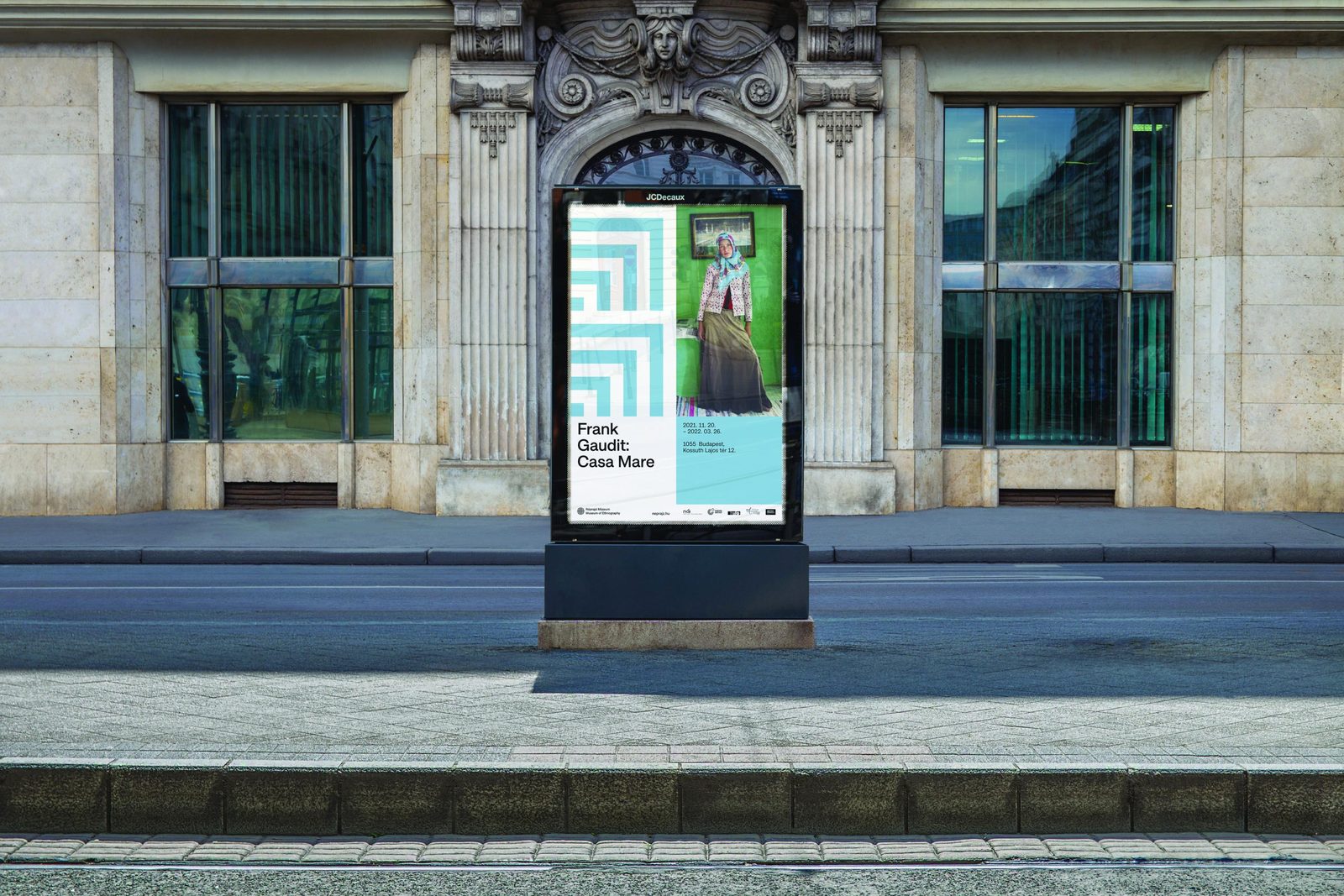
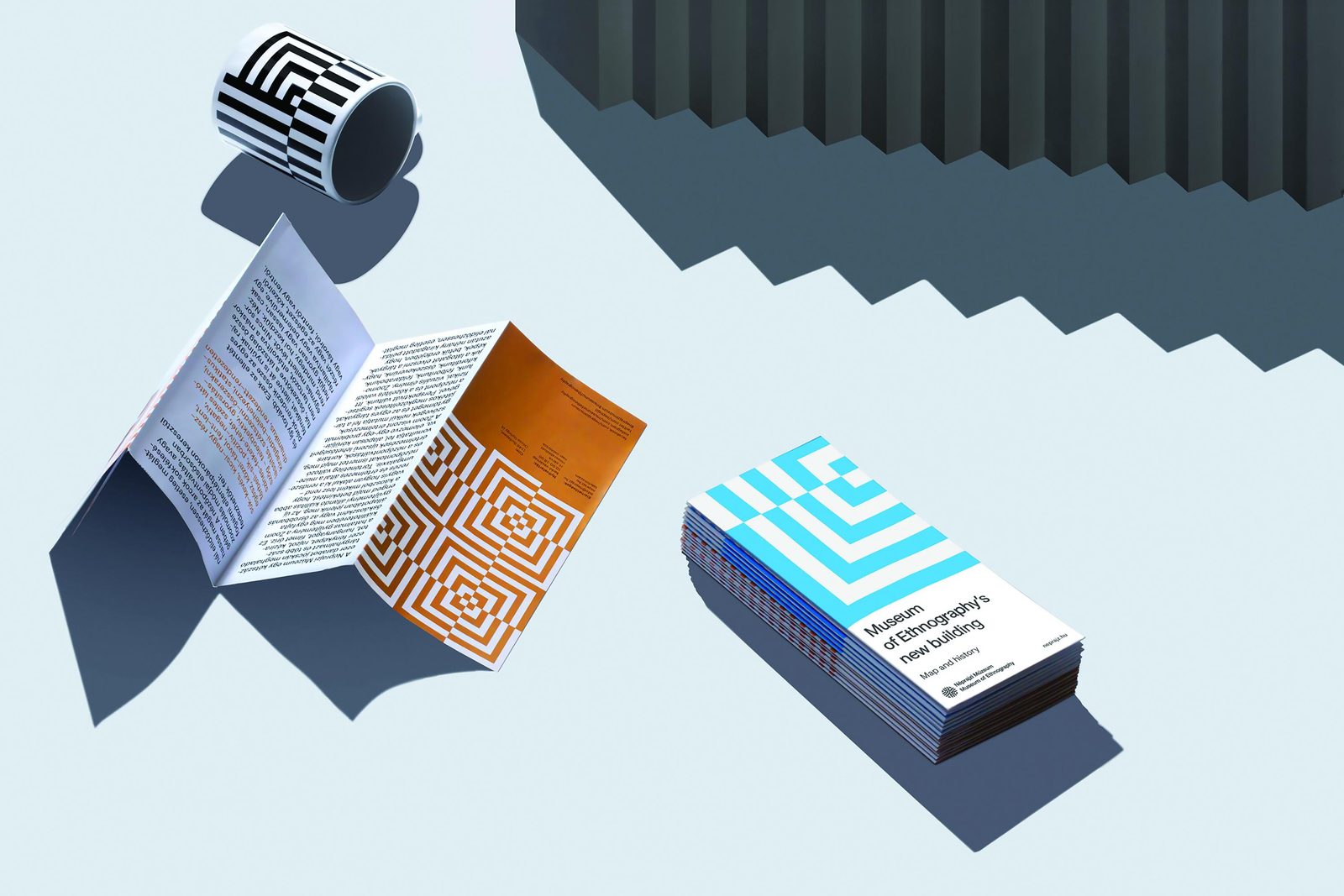
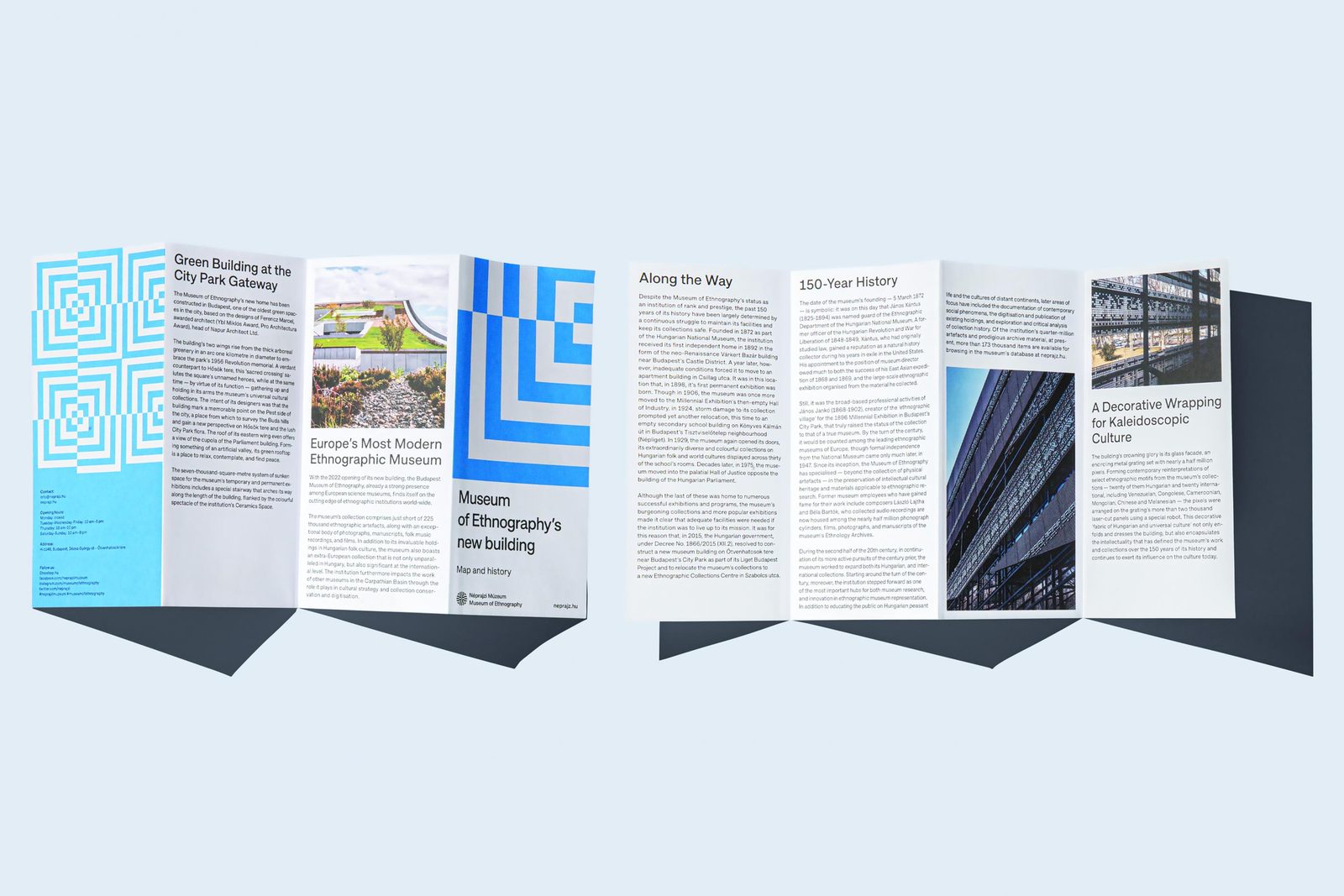
Designing the visual identity for an institution with a complex profile of cultural activities is always a huge challenge. It is especially true for a museum whose building, thanks to its progressive design, has in the year since its opening become a true landmark and a tourist attraction of Budapest shaping the city’s visual landscape to a great extent. This task is all the more difficult given that the futuristic exterior of the given institution is linked to the theme of ethnographic heritage. Taking all of this into account, the Museum of Ethnography’s unconventional, well-functioning and innovative visual identity, created through a collaborative process between the museum’s management and the design team, is even more worthy of recognition. The visual sign impressively representing the enormous cultural treasure preserved by the museum identifies the institution autonomously, without a textual reference, with its graphic elements effectively and clearly referring to the dialogue between cultures and generations, the diversity of cultural treasures exhibited here and the openness of the museum. The graphic elements, which can be individually removed from the visual sign, offer a set of variable motifs that function well on different scales, thus guaranteeing the identifiability of the institution and its coherent communication regardless of the medium and message used.
Statement of the jury
The opening of the new building of the Museum of Ethnography in the City Park in 2022 provided a great opportunity to redefine the visual communication of the institution housing collections of national and international artefacts. The dialogue between the management and the design team as well as their joint thinking resulted in an innovative, easy-to-apply visual identity system that demonstrates the diversity, wealth and multifaceted motivic world of the huge international collection unique in many respects, while aptly rhyming with the façade of the building.
The visual sign, evoking simultaneous associations with focusing, systematisation, collection management, motifs and cultural diversity, is instantly etched into our memory, identifying the institution without the need for textual referencing.
The jury deemed the responsive design of the logo, developed on three scales, as outstanding and exemplary: the scale-variants facilitate easy use by being adaptable to the sizes and proportions of various media surfaces.
This timeless visual identity works in print and screen environments alike thanks to the generative possibilities of its system of motifs, while being able to respond to the visual challenges of the future and represent the institution on the international scene too.