Award winners / 2019 / Product category
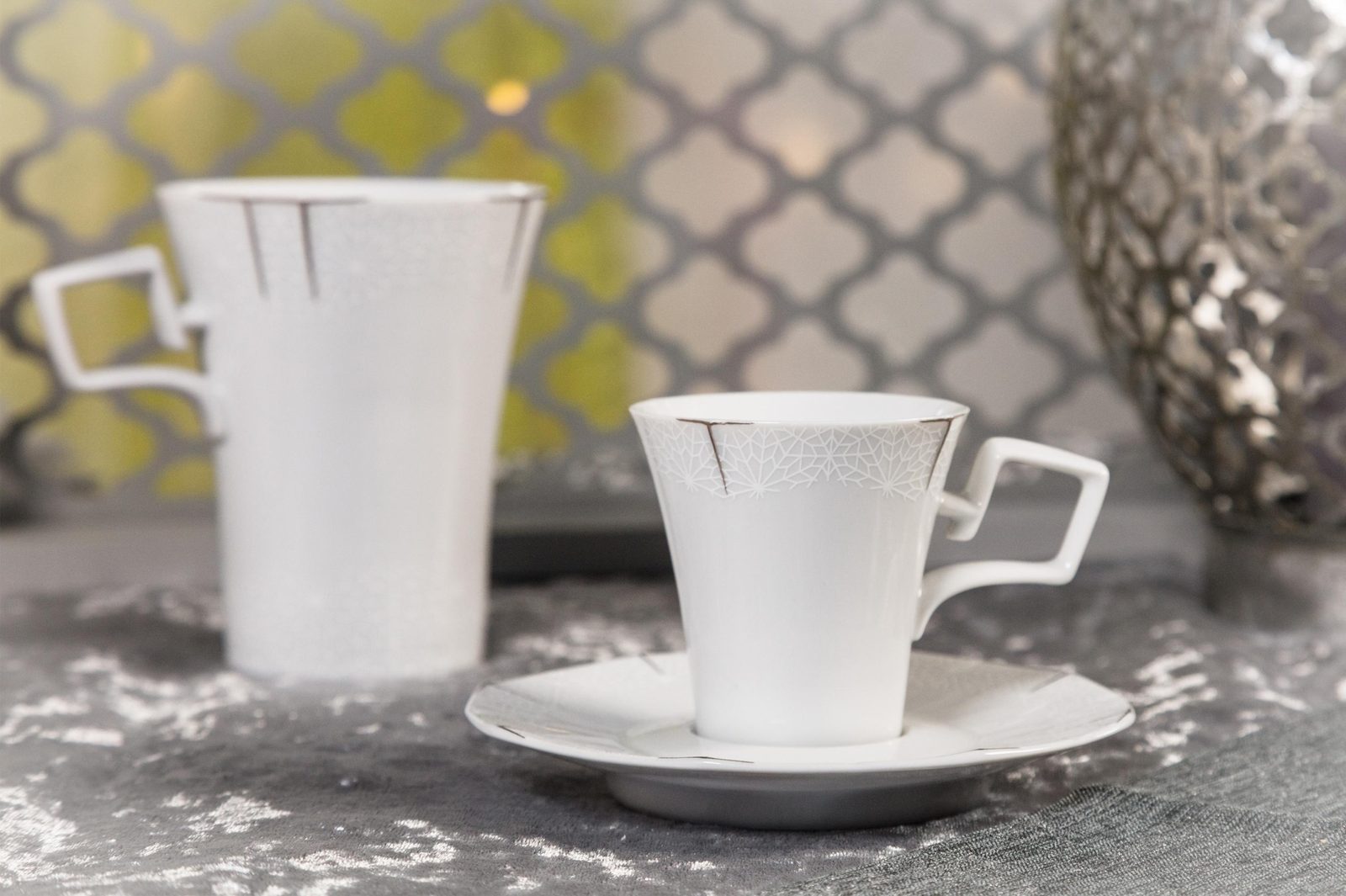
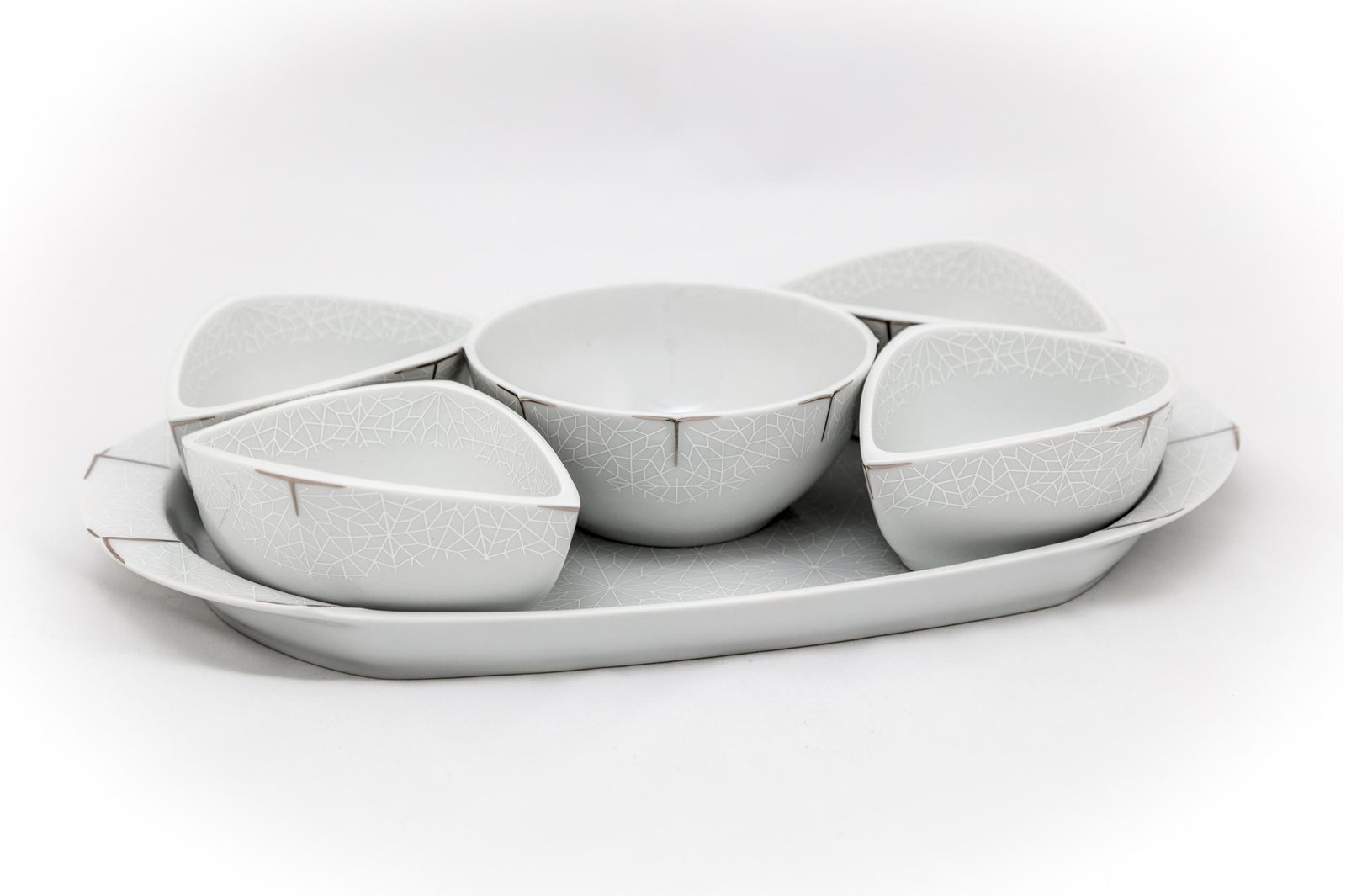
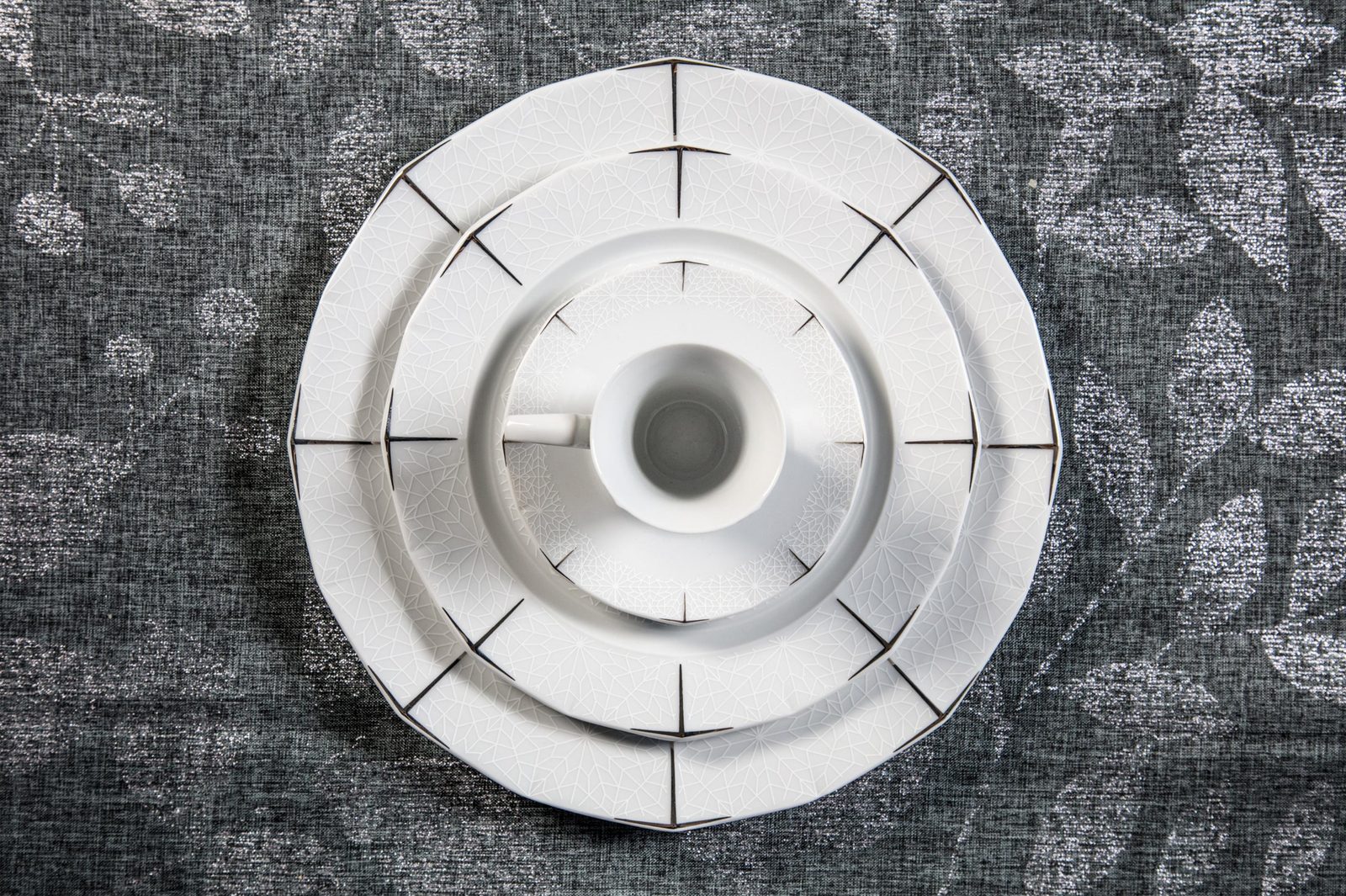
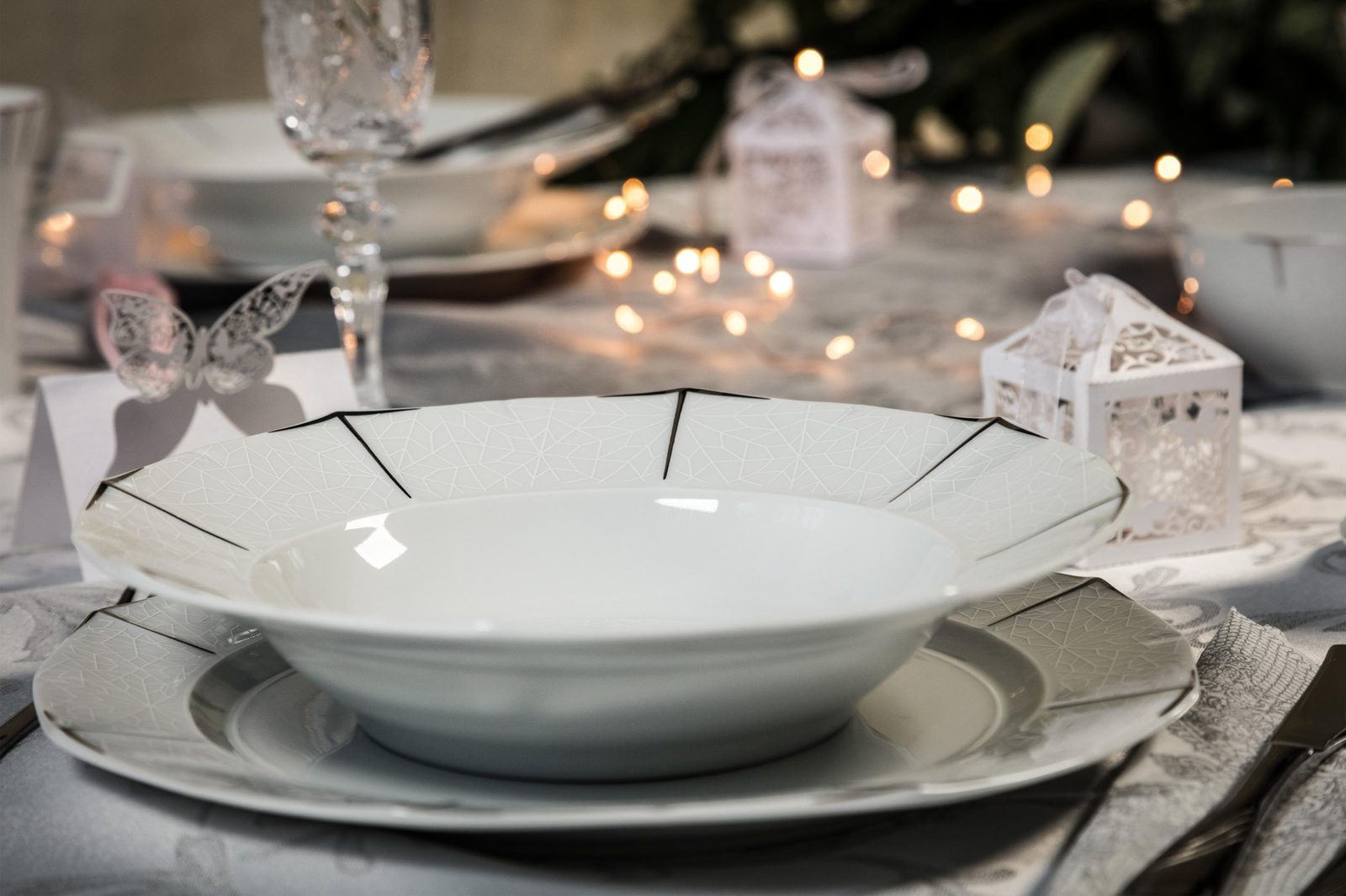
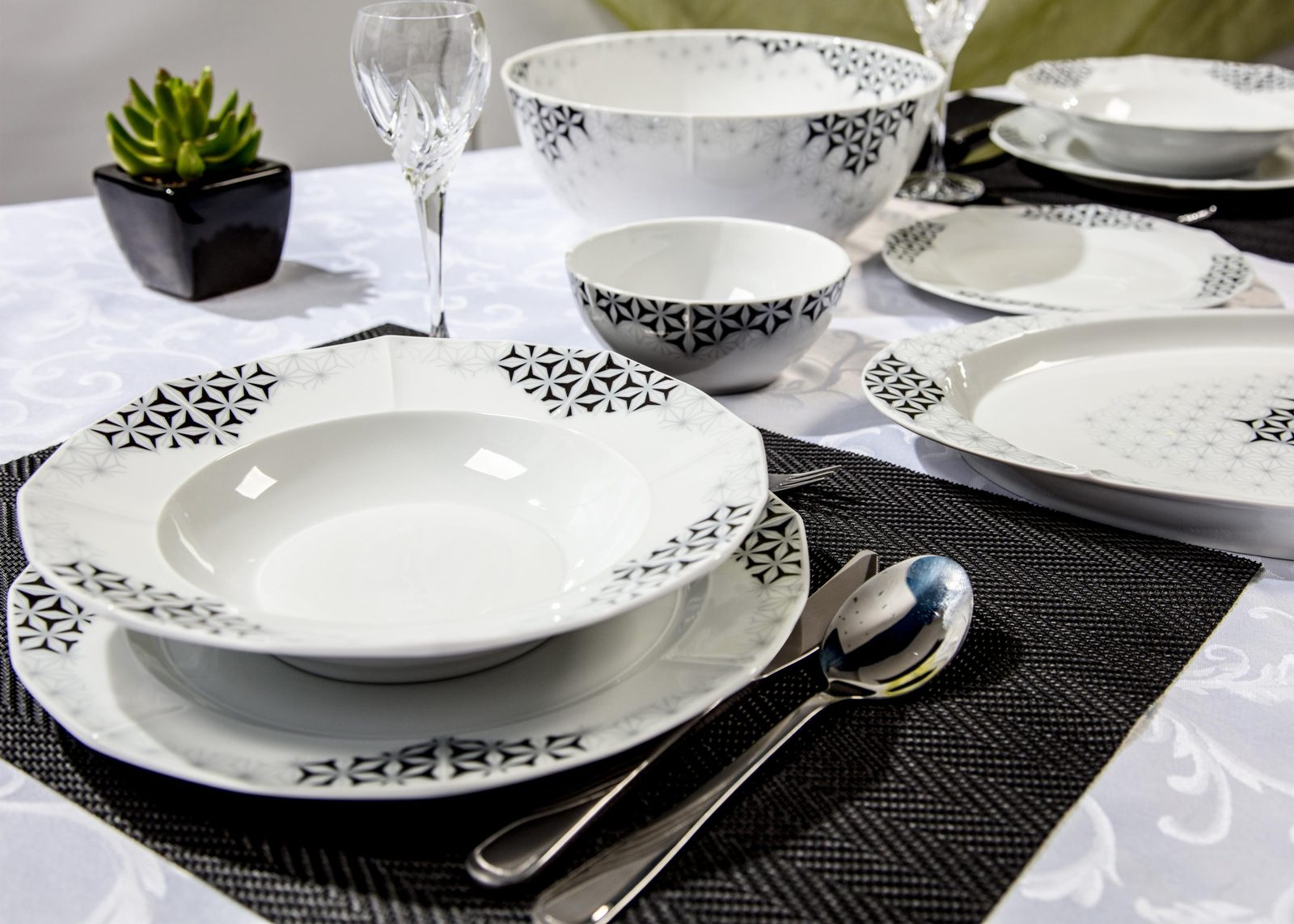
Minerva porcelain tableware collection
MINERVA porcelán étkészlet kollekció
- Alkotók|Designers
- SÜTŐ Erika, GOLOVICS Ferenc ↗
- Megrendelő|Client
- Hollóházi Porcelángyár Kft.
- Fotó|Photography
- PINTÉR Tamás
Description
Hollóháza was an important workshop in 20th-century Hungarian porcelain art, while in recent decades the business has been looking for its own path and the way to redefine itself artistically and strategically. The Minerva collection is the outcome of three years of product development. While providing an impressive example of the company’s ability to renew itself, it also sums up the characteristics and legacy of the Hollóháza porcelain, which is no less than a Hungaricum. Erika Sütő and Ferenc Golovics designed the collection in the spirit of making it into a classic and at the same time kept the expectations of modern consumers and the taste of a potential, younger target group at the forefront of their concept. The design process was preceded by extensive market research, trend analysis and technological experimentation. The Minerva sets combine organic and geometric forms and motifs, thus can be equally seen as modern and classical. The collection is adapted to contemporary requirements: they are stackable, space-efficient, dishwasher proof and variable, while many of its elements are multifunctional and some of them are microwave compatible. The Minerva collection is available in three designs targeting three consumer groups, each with a different taste: the Marrakesh style is marked by elegance and is intended for use on special events; the modern Asanoha appeals to the younger generation, and the Flora set is made for the factory’s customary buyers.
Statement of the jury
The Minerva porcelain dinner service is outstanding in several respects: it is designed for the long term and targets several consumer groups. This set is modern, while its classical forms fit in well with the interiors of the target consumers both in regard to its design and aesthetic
qualities. The development was preceded by extensive market research as well as a study of international trends and technological solutions. The forms of the objects are driven not only by aesthetic but also functional and production technology considerations. It was evident from the submitted project documentation that the product family is designed as a system, optimising the various object types and providing combinational variations. A designer needs to be familiar not only with the formal characteristic represented by a brand but has to understand the manufacturing process and create an optimally manufacturable product family
within an already functioning system. The objective is to preserve old traditions while creating new ones. New products, therefore, should address not only new target groups (an exciting challenge itself) but also consider the expectations of the old ones. The Minerva dinner service, which was met with success in professional circles as well as on the market, is the result of such intensive work.